



Automation systems design
Automation systems design is a comprehensive and multi-stage process aimed at creating reliable and accurate control systems. Such systems allow you to automate various technological processes in industry, logistics, agriculture or other areas. Design covers the entire cycle: from assessing the current situation and analyzing requirements to implementing ready-made solutions, harmonizing them and further system maintenance. The main goal is to reduce the need for manual operations, increase operational efficiency, ensure stable process management and reduce operating costs.
2. Preparation of the design concept
Based on the analysis, an initial design concept is developed: the system's structure, operating logic, functionality, and technologies are planned. This is a general plan that defines how the future system should function.
3. System architecture development
A technical diagram of the system is created: the interfaces between sensors, actuators, controllers, communication devices and other components. This phase helps to assess how the system will be integrated into the existing infrastructure.
1. Primary analysis
Design begins with a detailed assessment of the technological process and customer needs. This stage identifies which functions need to be automated, what are the process limitations, safety requirements, and what results are being sought.
5. Software development
Based on the prepared concept, the control algorithm is written and programmed: program code is developed for the controllers (PLCs) and other system components, and the operating logic and user interface are implemented. At this stage, functional software is produced, ready for further testing.
6. Simulations and testing
The developed solution is verified in a virtual environment or on a test bench: system operation is modeled under different conditions, and the control logic and component interactions are checked. This phase allows shortcomings to be identified and resolved early, before the system is deployed under real-world conditions.
4. Selection of technological components
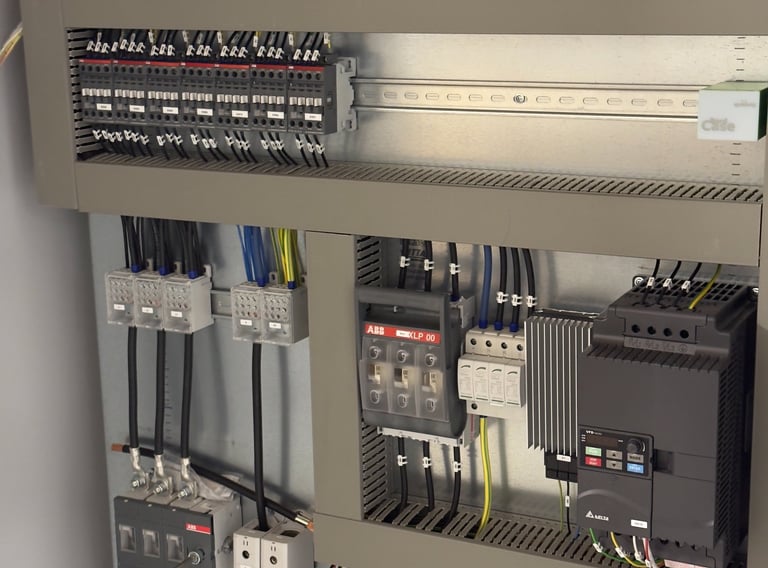
Specific technical devices are selected to meet the needs of the project: PLC controllers, HMI panels, sensors, actuators, control modules. The selection is made taking into account reliability, durability and compatibility.
8. Commissioning and debugging
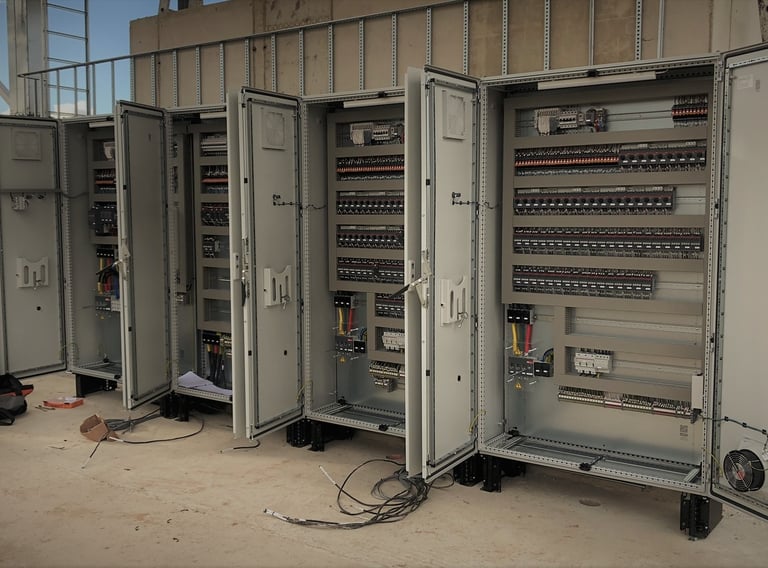
The system is put into operation under real operating conditions. Tuning processes, adjustments and final tests are performed to ensure stable and accurate operation.
9. User training
Employees who will work with the system are prepared and trained - they are taught management, error diagnostics, and daily maintenance.
7. Installation and integration
The equipment is installed on site, integrated with existing systems, and fully functionally tested to ensure that all components work as a unified system.
Automation systems design
Automated interaction with databases and other systems helps to avoid compatibility issues.
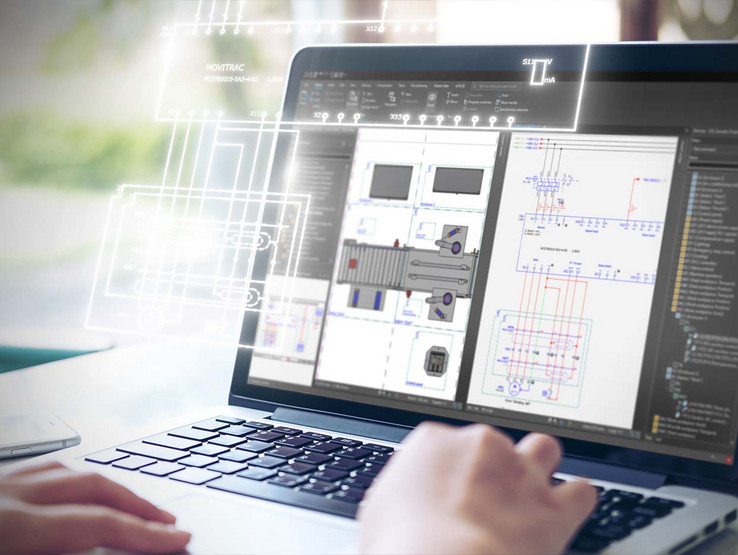
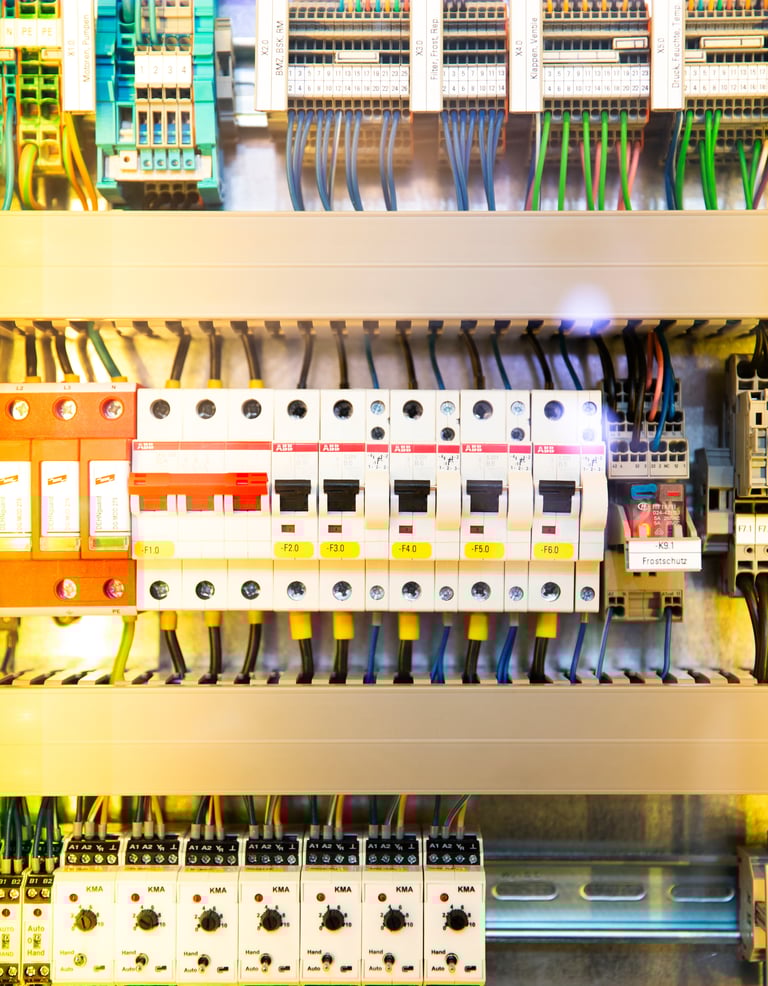
By using EPLAN Electric P8, we can ensure professional and efficient electrical schematic design, which is a crucial step in ensuring the efficiency and reliability of your electrical systems.
EPLAN Electric P8 allows for the design of electrical systems while adhering to international standards and regulations. This ensures that your projects meet safety and efficiency requirements
EPLAN Electric P8 allows for the creation of detailed project documents, which encompass all necessary technical specifications, schematic explanations, and other important information.
EPLAN Electric P8 enables the design of electrical systems while adhering to international standards and regulations. This ensures that your projects meet safety and efficiency requirements.








Get in touch with us
Our contacts
UAB "Wiretech"
Kanalo str. 3-11
Giraitė, LT-54310
Kauno r. sav.
Lithuania
Info@wiretech.lt
+370 605 95004
+370 602 99373